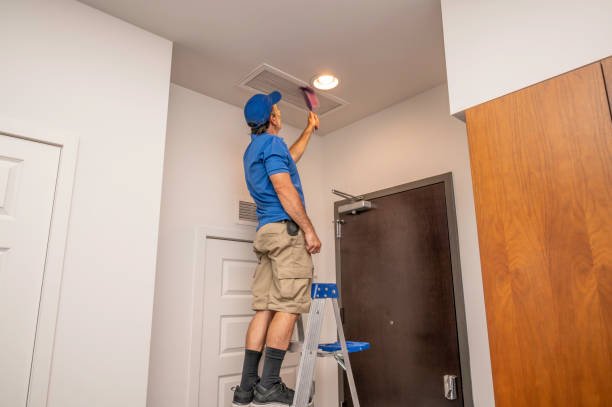
In the modern era, heating, ventilation, and air conditioning (HVAC) systems are an integral part of maintaining comfortable living and working environments. However, like all complex mechanical systems, HVAC systems require regular maintenance to ensure optimal performance and longevity. One critical but often overlooked aspect of this maintenance is air duct cleaning. This blog post will explore the importance of air duct cleaning, how it can extend the life of your HVAC system, and offer practical insights into maintaining your HVAC system effectively.
Before delving into the benefits of air duct cleaning, it’s essential to understand the basic components and functioning of an HVAC system. An HVAC system typically consists of the following components:
Each of these components plays a vital role in maintaining a comfortable indoor environment. Over time, ducts can accumulate dust, debris, and other contaminants, including St. Louis air duct cleaning, which can negatively impact the performance and longevity of the HVAC system. The ductwork, in particular, is responsible for distributing conditioned air throughout the building.
Air ducts are a network of tubes that carry the conditioned air from the HVAC system to various parts of a building. These ducts can be made from a variety of materials, including sheet metal, fiberglass, and flexible plastic. The efficiency and effectiveness of an HVAC system depend significantly on the cleanliness and integrity of the air ducts.
Air ducts can accumulate various contaminants over time, including:
These contaminants can obstruct airflow, reduce efficiency, and contribute to poor indoor air quality, which can, in turn, affect the health of occupants.