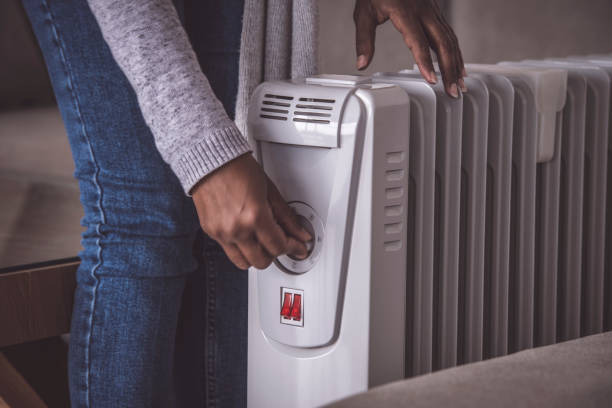
Heating your home efficiently not only ensures comfort during cold weather but also helps in reducing energy costs. Whether you use a furnace, heat pump, or any other type of heater, optimizing its performance can significantly impact your energy bills while maintaining a comfortable indoor environment. In this comprehensive guide, we will explore various strategies and tips to help you maximize your heater’s efficiency and lower your heating bills.
Understanding Your Heating System
Before diving into optimization techniques, it’s crucial to have a basic understanding of how your heating system works. Common types of residential heating systems include:
- Furnaces: These use natural gas, propane, or electricity to generate heat which is then distributed through ducts.
- Boilers: Boilers heat water to provide either hot water or steam for heating. They can use natural gas, oil, or electricity.
- Heat Pumps: These devices move heat rather than generate it, making them more energy-efficient. They can provide both heating and cooling.
- Electric Heaters: Including baseboard heaters, wall heaters, and portable heaters, these convert electricity directly into heat.
Each type of heating system has its own set of efficiency considerations and optimization techniques. Let’s explore how to optimize each type, including heater repairman, for better performance and lower bills.
General Tips for Optimizing Any Heating System
Regardless of the type of heating system you have, these general tips will help improve its efficiency:
- Regular Maintenance: Schedule annual maintenance by a professional technician. This ensures that your heater operates at peak efficiency and catches any potential issues early.
- Replace Air Filters: Clogged filters restrict airflow, making your heater work harder. Replace filters regularly, ideally every 1-3 months, depending on the type of filter and usage.
- Programmable Thermostats: Install a programmable or smart thermostat to automatically adjust temperatures based on your schedule, emphasizing the importance of thermostats in heater performance. Lowering the temperature when you're asleep or away can significantly reduce energy consumption.
- Seal Leaks and Insulate: Inspect doors, windows, and any openings where air might leak. Caulk gaps and add weather stripping to improve insulation and prevent heat loss.
- Use Curtains and Drapes: Open curtains during the day to let sunlight naturally heat your home, and close them at night to retain heat.
- Consider Zone Heating: If possible, zone heating allows you to heat only the rooms you use frequently, rather than the entire house.
- Upgrade to Energy-Efficient Equipment: If your heating system is old and inefficient, consider upgrading to a newer, more energy-efficient model. Look for Energy Star-certified appliances.
Specific Strategies for Different Heating Systems
1. Furnaces