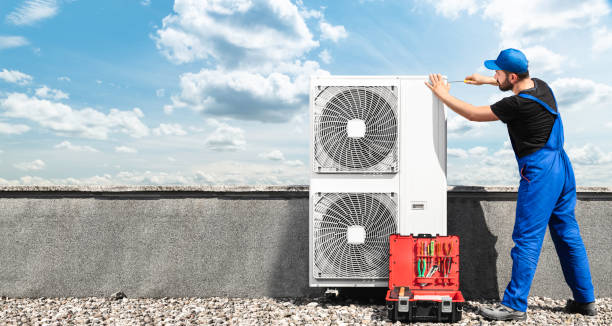
Air conditioning has become an essential part of modern life, providing comfort and improved living conditions in homes, offices, and various other settings. However, the environmental impact of air conditioning systems is significant. The good news is that proper maintenance of these systems can substantially mitigate their negative effects on the environment. In this blog, we will explore the environmental benefits of maintaining air conditioners, focusing on energy efficiency, reduction in greenhouse gas emissions, proper refrigerant management, and the extension of equipment lifespan.
One of the most significant environmental benefits of proper air conditioner maintenance is the improvement in energy efficiency. Regular ac maintenance can ensure that the system runs at its optimal efficiency, thus reducing energy consumption. Air conditioners consume a considerable amount of electricity, and their efficiency drops when not maintained properly. This means that they need to work harder and consume more energy to cool a space.
Cleaning and Replacing Filters
The filters in an air conditioning system play a crucial role in maintaining air quality and ensuring efficient operation. Over time, these filters can become clogged with dust, dirt, and other particles, reducing the system’s airflow and efficiency. Regular cleaning or replacement of filters ensures that the system can operate without unnecessary strain, leading to lower energy consumption.
Checking and Sealing Ducts
Air leaks in the ductwork can cause cooled air to escape before it reaches its intended destination, leading to wasted energy. Sealing ducts and ensuring they are in good condition can prevent this loss, making the air conditioning system more efficient. Regular inspections and maintenance of ductwork are essential for minimizing energy wastage.
Proper Thermostat Calibration
Thermostats control the temperature settings of air conditioning systems. If a thermostat is not calibrated correctly, it can cause the system to run longer than necessary or not maintain the desired temperature efficiently. Regular calibration ensures that the thermostat accurately controls the system, optimizing energy use and reducing environmental impact. Additionally, understanding the role of programmable thermostats for AC can further enhance energy efficiency and user convenience.
Electricity generation, particularly from fossil fuels, is a significant source of greenhouse gas emissions. By reducing the energy consumption of air conditioning systems through proper maintenance, we can directly reduce the amount of greenhouse gases released into the atmosphere.
Reducing Energy Demand
As mentioned earlier, well-maintained air conditioning systems consume less energy. Lower energy consumption means that power plants need to generate less electricity, reducing the burning of fossil fuels such as coal, oil, and natural gas. This reduction in fossil fuel combustion directly correlates with lower greenhouse gas emissions, helping to combat climate change.
Transition to Eco-Friendly Refrigerants
Many older air conditioning systems use refrigerants that are potent greenhouse gases. For instance, hydrochlorofluorocarbons (HCFCs) and chlorofluorocarbons (CFCs) are known for their high global warming potential (GWP) and ozone-depleting properties. Proper maintenance includes checking for refrigerant leaks and ensuring that the system uses environmentally friendly refrigerants, such as hydrofluorocarbons (HFCs) with lower GWP, or even newer alternatives like hydrofluoroolefins (HFOs).
Preventing Refrigerant Leaks
Refrigerant leaks not only reduce the efficiency of an air conditioning system but also release harmful chemicals into the atmosphere. Regular maintenance involves checking for and repairing any leaks, preventing these substances from contributing to global warming. Technicians can also ensure that the refrigerant is properly handled and disposed of, minimizing environmental harm.
Proper management of refrigerants is crucial for minimizing the environmental impact of air conditioning systems. This involves not only preventing leaks but also ensuring that refrigerants are handled, stored, and disposed of correctly.